
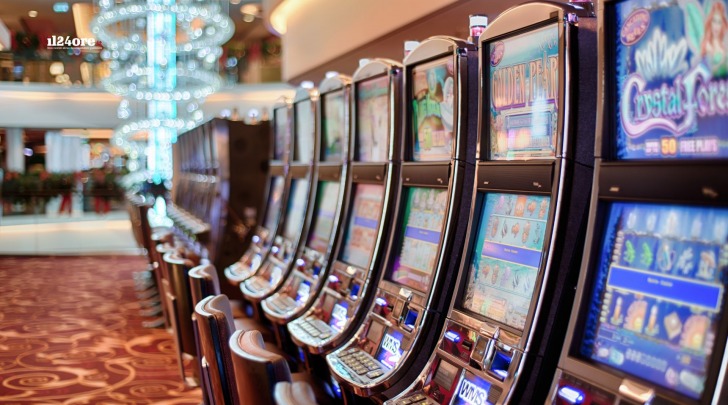
Stepping into Belgium’s online casino world delivers a surge of excitement, but it also poses a vital question: how do you tell a platform is safe? The answer is integrated into the fabric of casino regulation, a framework that can look complex at first glance but is actually your greatest ally https://napoleon-be.eu/. Belgium is renowned for its stringent approach to gambling oversight, and this has established an environment where players can concentrate on the fun without second-guessing the fairness of every deal or spin. At the heart of this system stands the Belgian Gaming Commission, which grants licences, reviews operators, and implements rules that safeguard both your money and your well-being. Napoleon Casino proudly functions under these licences, upholding the high standards they demand. In this article, we explain the lowdown on casino regulation in Belgium—what it includes, why it matters, and how it directly shapes your experience. Whether you are new to online gaming or a seasoned player, understanding these safeguards will strengthen your trust and boost your enjoyment every time you log in.
What Napoleon Casino Brings to the Table
As a completely regulated entity within the Belgian market, Napoleon Casino operates with a transparency that is rare in the wider gambling world. The brand carries both an A+ licence for its casino games and a B+ licence for its sports betting platform, verifying that it fulfils the demanding requirements of the Belgian Gaming Commission in every facet of its operation. This dual licensing implies that players can move seamlessly between slots, table games, and live betting while keeping under the same protective umbrella. Beyond the licences, Napoleon Casino collaborates with independent testing agencies to confirm that all its games generate truly random outcomes and that the advertised return-to-player percentages are precise. Payment methods are thoroughly chosen to match Belgian preferences, with Bancontact, bank transfers, and e-wallets all supported under high-level SSL encryption. Moreover, every transaction is monitored for suspicious activity as part of the casino’s anti-money laundering obligations, providing an extra layer of financial security. The platform also collaborates https://www.ad.nl/zoetermeer/uit-nood-geboren-tv-bingo-groot-succes-en-gaat-in-september-verder~a51928ce/ closely with organisations like Gokhulp to guarantee that help is always just a click away. Customer support is accessible in Dutch, French, and English, and the team is prepared to handle queries about responsible gambling with empathy and expertise. This comprehensive approach to safety and service makes Napoleon Casino a standout example of what a regulated Belgian operator should be, delivering peace of mind alongside every spin, goal, or hand without ever giving up on the thrill.
The Direction of Casino Regulation in Belgium
Belgium’s regulatory framework is not unchanging; it changes regularly to address emerging challenges and technologies. The Belgian Gaming Commission periodically examines its policies, and the past few years have seen increased scrutiny of advertising practices, with a almost complete ban on gambling advertisements across various media channels currently in place. This shift stemmed from a goal to reduce the exposure of minors and vulnerable adults to gambling inducements, and it has already reshaped how operators connect with the public. Looking ahead, regulators are expected to focus more on
Why Licences Are Important for Players
A casino licence is significantly more than a displayed certificate on a website; it is a binding contract between the operator and the regulator that prioritizes your interests first. When you select a licensed platform like Napoleon Casino, you gain access to a range of protections that unlicensed sites simply offer. Licensed operators must send their games to independent testing laboratories that confirm the randomness of random number generators and validate that the advertised return-to-player percentages are accurate. This means every spin of the roulette wheel or hand of blackjack is completely unpredictable and without manipulation. Additionally, a licence requires the casino to segregate player funds from operational accounts, so your deposits are never used for daily business expenses and stay safe even if the company faces financial difficulties. In the event of a dispute, you have a straightforward path to resolution through the Belgian Gaming Commission, which can intervene and enforce rulings. These safeguards turn a simple wager into a secure transaction, giving you peace of mind that goes much beyond the thrill of the game.
The Difference Between Legal and Illegal Operators
In Belgium, the boundary between a legal casino and an illegal one is defined not by the color of the website or the scale of the welcome bonus, but by the existence of a valid licence from the Belgian Gaming Commission. Unlicensed operators may seem slick and present tempting promotions, but they operate in a shadowy area where player protection is non-existent. These sites often host their servers in jurisdictions with lax regulation, putting your personal and financial data at risk of theft or misuse. They are not obligated by fair play rules, implying their games may be manipulated with no remedy for the player. Furthermore, winnings can be withheld arbitrarily, and there is no regulatory body to which you can turn. Belgium actively restricts access to many illegal gambling websites and collaborates with financial institutions to prevent transactions to these operators. However, the most effective defence is player awareness. Opting for a licensed platform like Napoleon Casino ensures that every part of your experience is monitored for compliance, from the software that shuffles the cards to the encryption that guards your payments.
- No certainty of fair gaming – games may be manipulated to advantage the house unfairly.
- Risk of identity theft – personal and payment details are not securely safeguarded.
- Withheld winnings – operators can refuse to pay out without oversight.
- No responsible gambling tools – no spending caps, self-exclusion, or reality checks.
- Legal repercussions – players may inadvertently support criminal activity and encounter issues with their bank.
Safe Gambling: A Collective Responsibility
Regulation in Belgium lays a heavy emphasis on safe gambling, understanding that providers, authorities, and players all share a duty in keeping the activity safe. It is not about taking the fun out of playing; it is about guaranteeing that the fun never turns into a problem. The Belgian Gaming Commission requires every regulated casino to provide a selection of player protection tools that are readily accessible and easy to use. These encompass deposit limits that can be configured daily, weekly, or monthly, session time reminders that appear to encourage you away from endless play, and the option to use a cooling-off period or self-exclude entirely. The EPIS system (Excluded Persons Information System) is a national self-exclusion database that enables players to ban themselves from all regulated venues and online sites with a one-time request. Once you sign up, operators are mandated to refuse you access for a lowest of six months, and the system also includes land-based casinos and betting shops. Moreover, licensed operators must observe player actions for warning signs of problem gambling and act proactively, providing support and directing individuals to professional help resources such as Gokhulp. Napoleon Casino incorporates these tools smoothly, urging players to set their own restrictions before they even make a bet. This mindset of mutual responsibility transforms the casino floor—whether physical or online—into a setting where entertainment and well-being coexist harmoniously, making Belgium a prime example for the whole of Europe.
How Belgium Controls Online Gambling
The Belgian gambling landscape falls under the Gambling Act of 7 May 1999, a piece of legislation that has been updated several times to stay current with the digital age. The regulatory body central to this framework is the Belgian Gaming Commission (Kansspelcommissie), which functions under the supervision of the Ministry of Justice. Its mission is to direct the natural inclination to gamble into a safe, controlled environment while fighting illegal operations and protecting vulnerable individuals. To reach this goal, the Commission grants a range of licences that cover different types of gambling activities. Every operator providing services to Belgian residents must have a valid licence, and those without one encounter severe penalties, including fines of up to €100,000 and criminal prosecution. The licensing system is intentionally strict, requiring operators to prove financial stability, technical compliance, and a genuine commitment to responsible gambling practices before they can even accept their first bet. This rigorous approach has gained Belgium a reputation as a jurisdiction where player protection is not an afterthought but a foundational principle.
- A+ licence – covers the operation of land-based casinos and their online extensions, enabling table games and slot machines.
- B+ licence – permits online sports betting and other fixed-odds wagering, often granted to betting shops and online platforms.
- F+ licence – sanctions the operation of slot machine arcades and similar gaming halls.
- G+ licence – permits the production and distribution of gambling software, guaranteeing that games are tested for fairness.